




Film is a way to tell stories that endure through the ages
Romantic comedies that prompt equal portions tears & lust; fantasy soundtracks that can influence a generation’s idea of comfort; horror flicks that worm their way into your psyche.
Yet the software that enables filmmakers to spin magic is clunky. Most video editing tools feel painful and unintuitive; creating a type of work that is creative, yet manual and tedious.
I joined Kino (YC ‘23) to re-imagine the experience of enterprise video-editing for filmmakers.
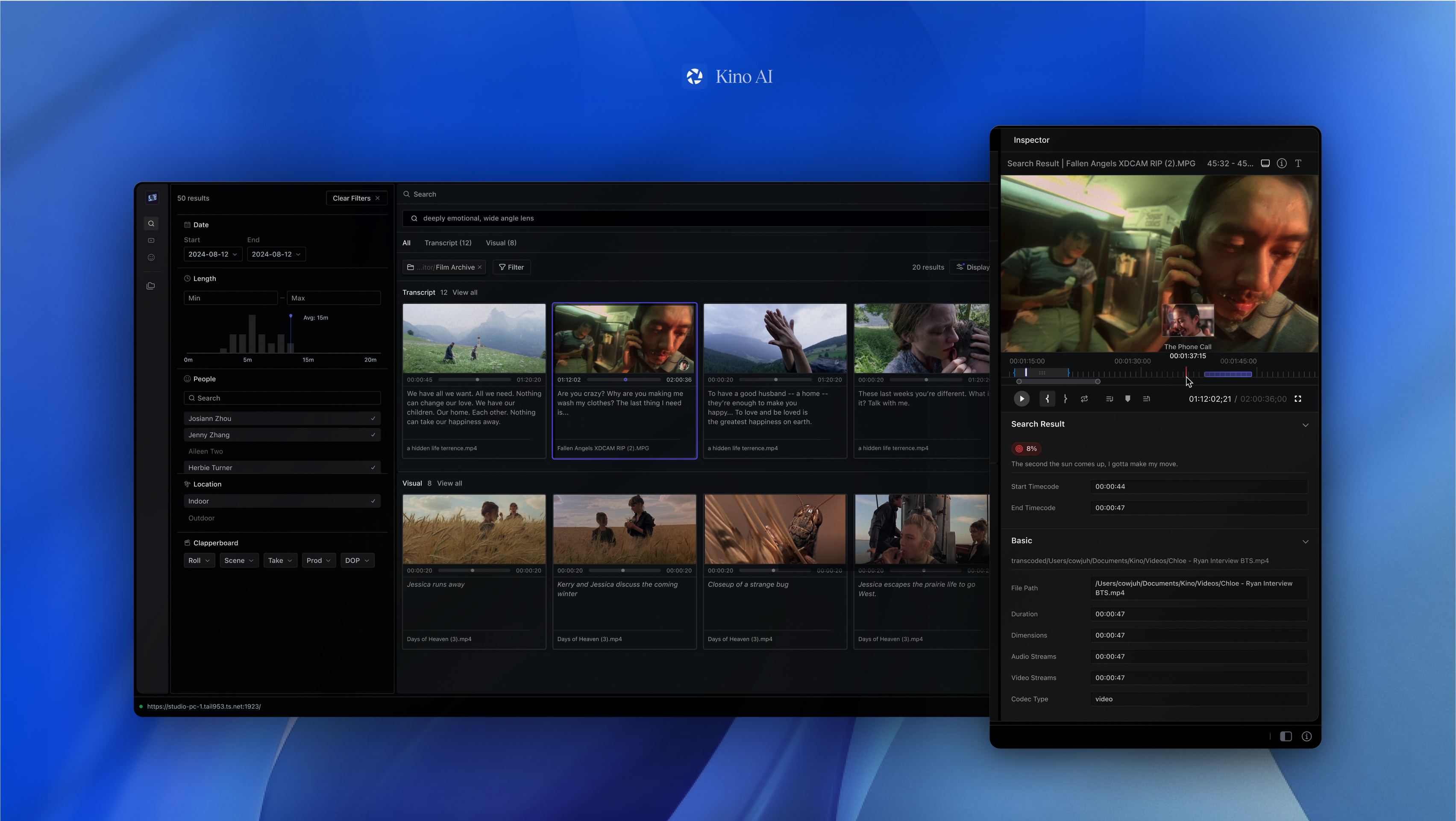
There, I led design efforts like branding, the redesign of Search, Tagging, & Timeline: a multi-camera, AI-powered interface that helps editors find meaning amidst terabytes of footage.


Made by...
From conception to color-grading, media management is crucial to an editor's experience. Many reality TV editors spend up to ~70% of their time just searching for clips, being expected to sift through 8-hours of footage in a day.
My challenge was to bridge the gap between filmmaker mental models and modern media libraries. In layman’s terms, I wanted to unify how editors organize stories in their minds, and how footage is organized in software.
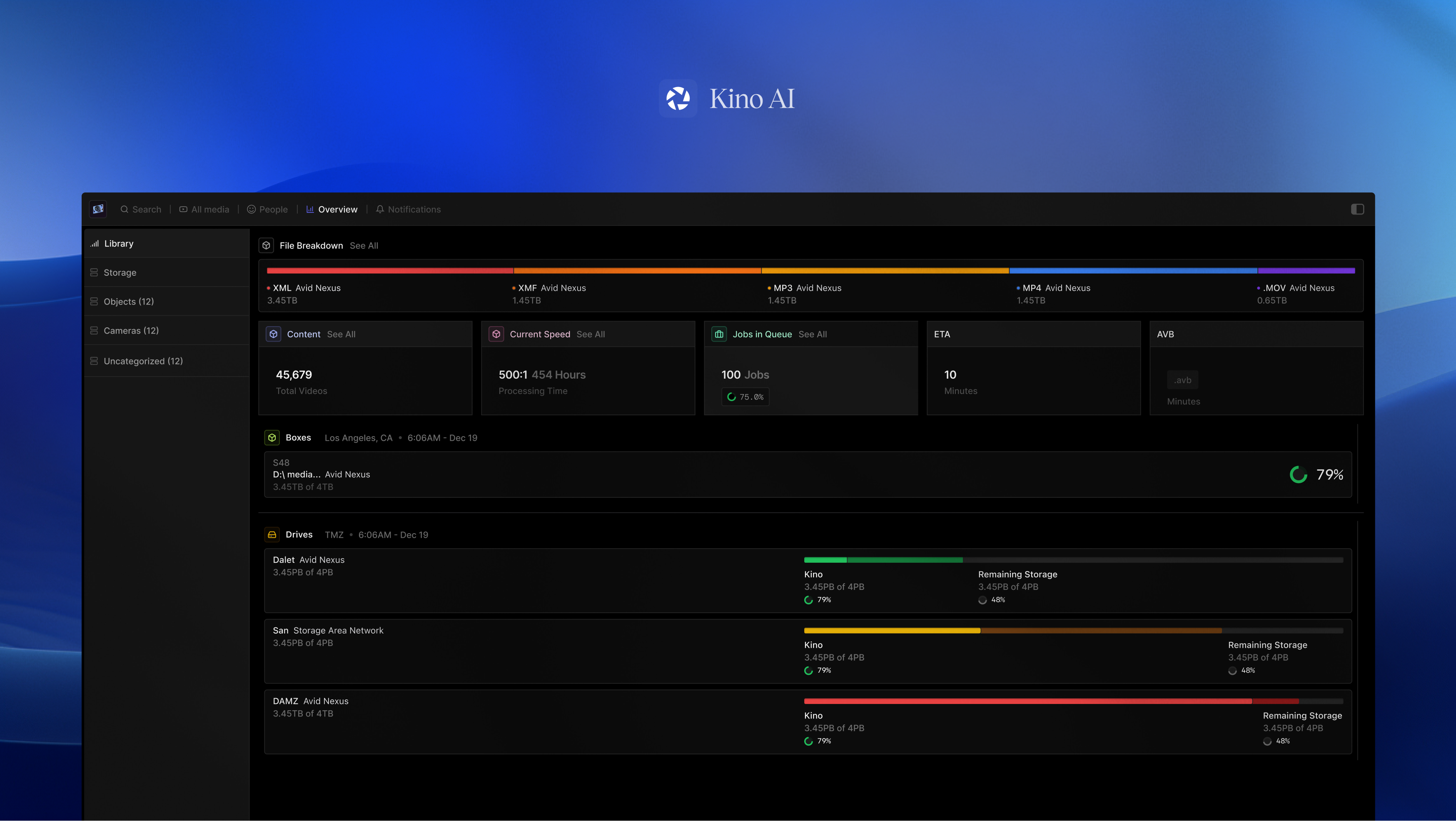
Kino’s new design borrows familiar patterns from the apps editors use daily, creating an interface that feels modern, assistive, responsive, and collaborative.


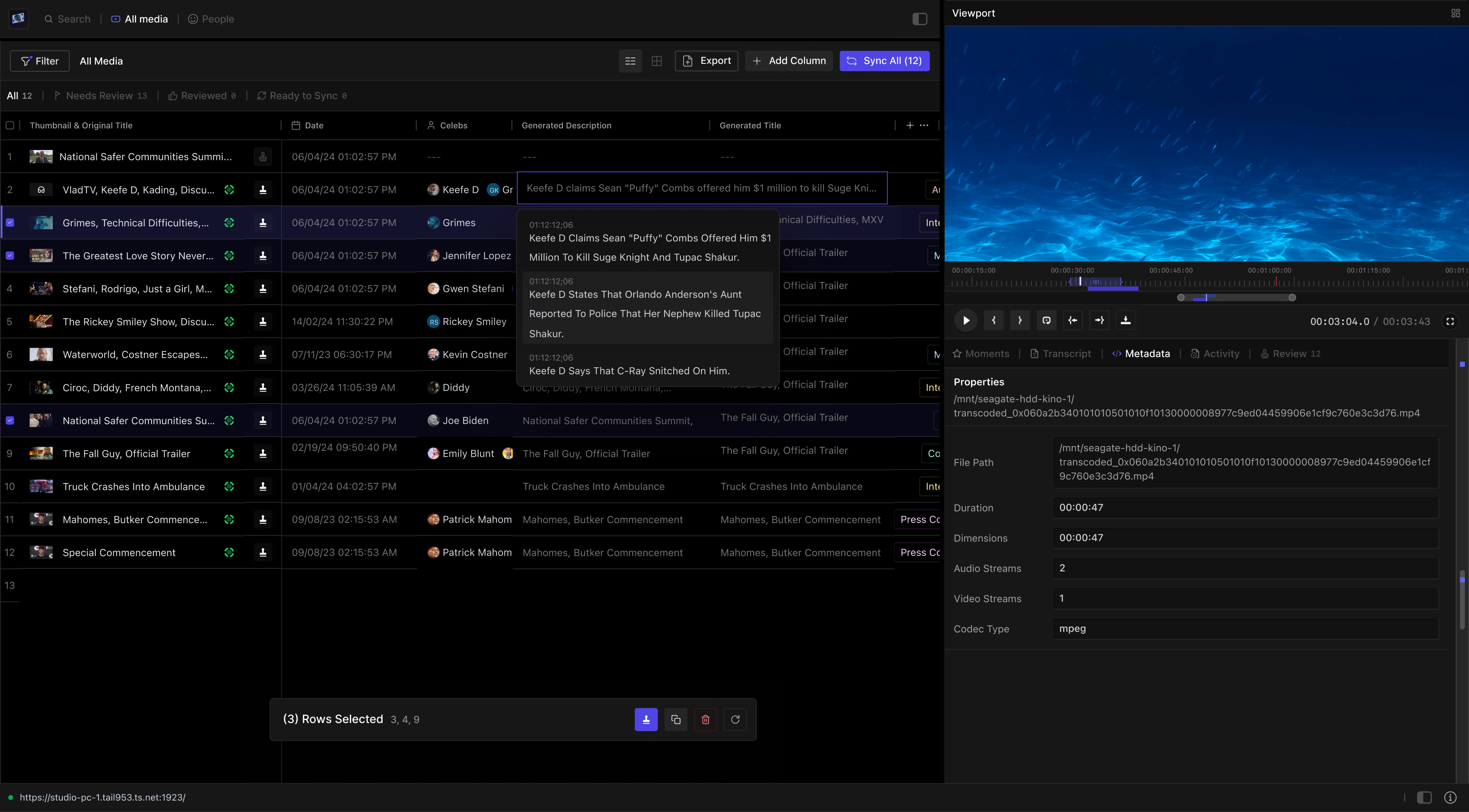
Before Kino, editors had no easy way to visualize their files.
Editors were still relying on legacy tools like Post-its, chat logs, and Excel spreadsheets to keep track of important moments; often overwhelming and workflow specific to every film.
Enjoy these snippets of Kino, reborn.
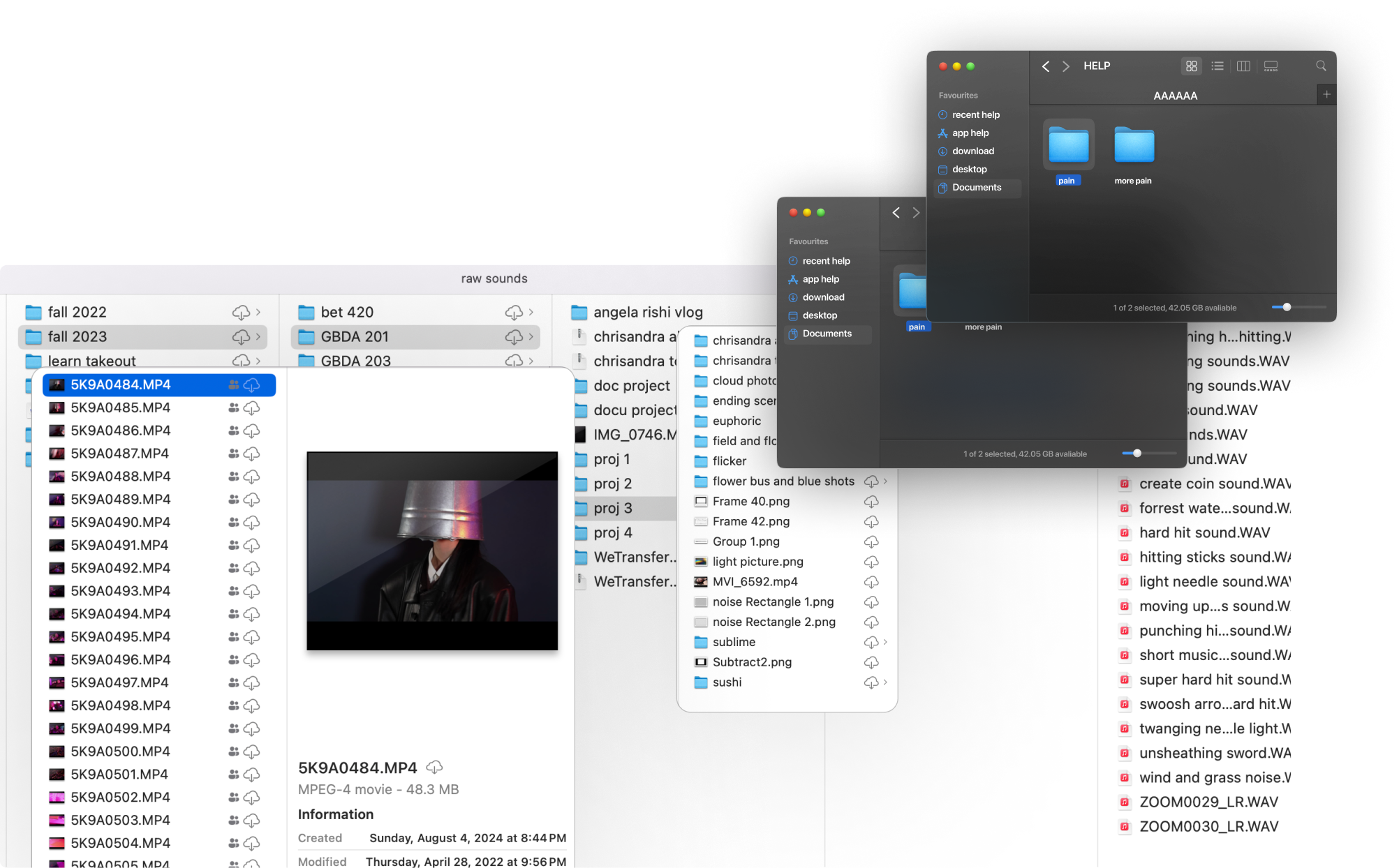
Traditional file previews can’t keep up with editors.
Introducing, the new Kino
bonus points if you recognize the films hehe...

Jenny, Luke, & I reimagined the metadata inspector as a high-density panel
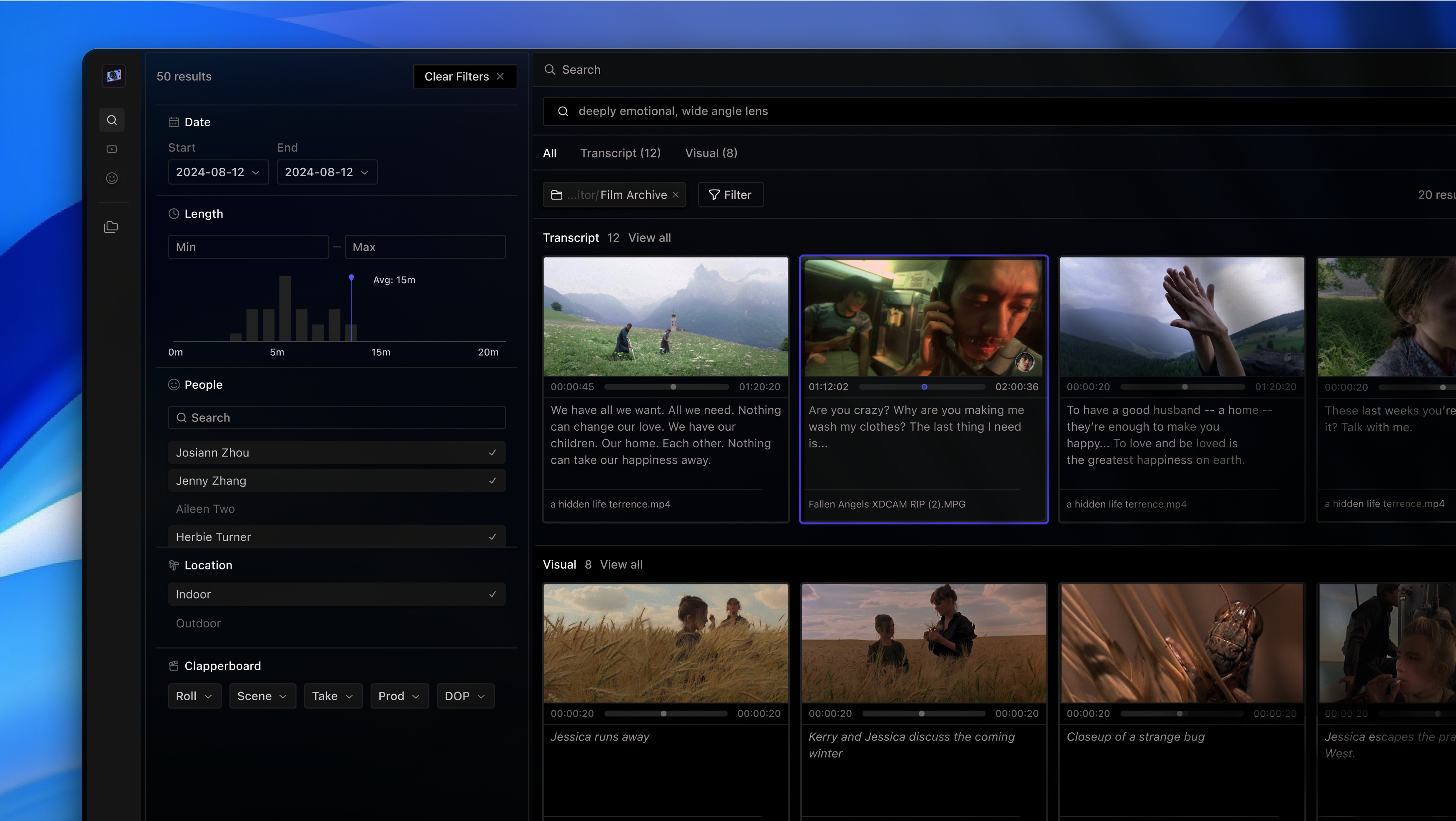
Tagging and search is meaningless when surfacing content out of narrative context.
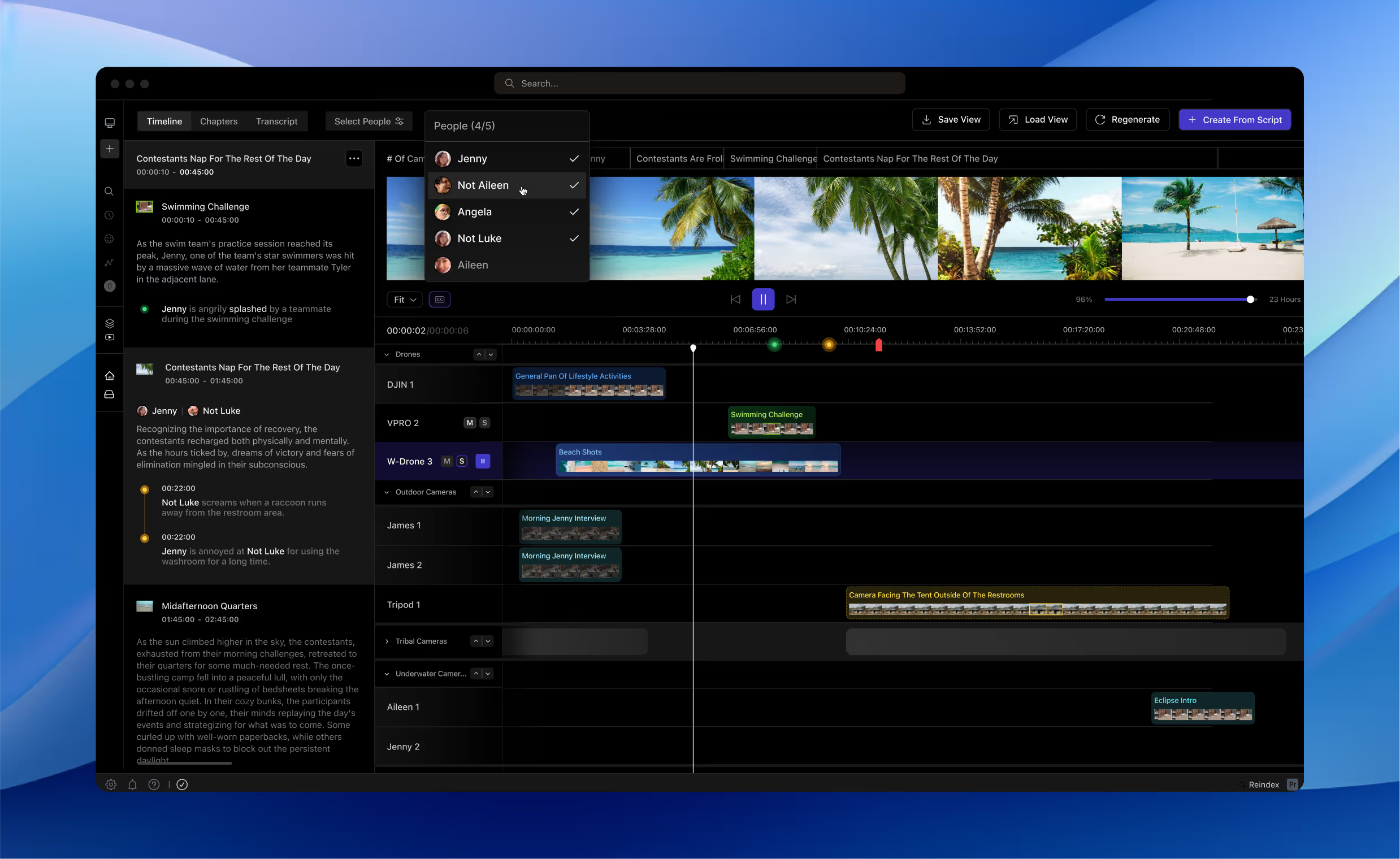
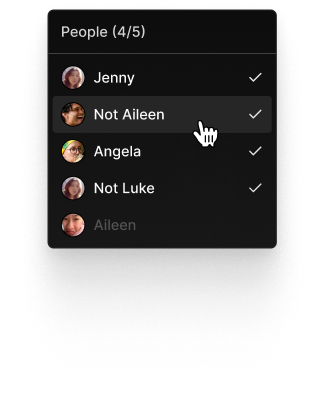
Jenny, Luke, & I reimagined the metadata inspector as a high-density panel, packing in speaker tags, timestamps, locations, and script references to help users reorient instantly within sprawling footage: instead of returning isolated clips.
Tagging and search is meaningless when surfacing content out of narrative context.
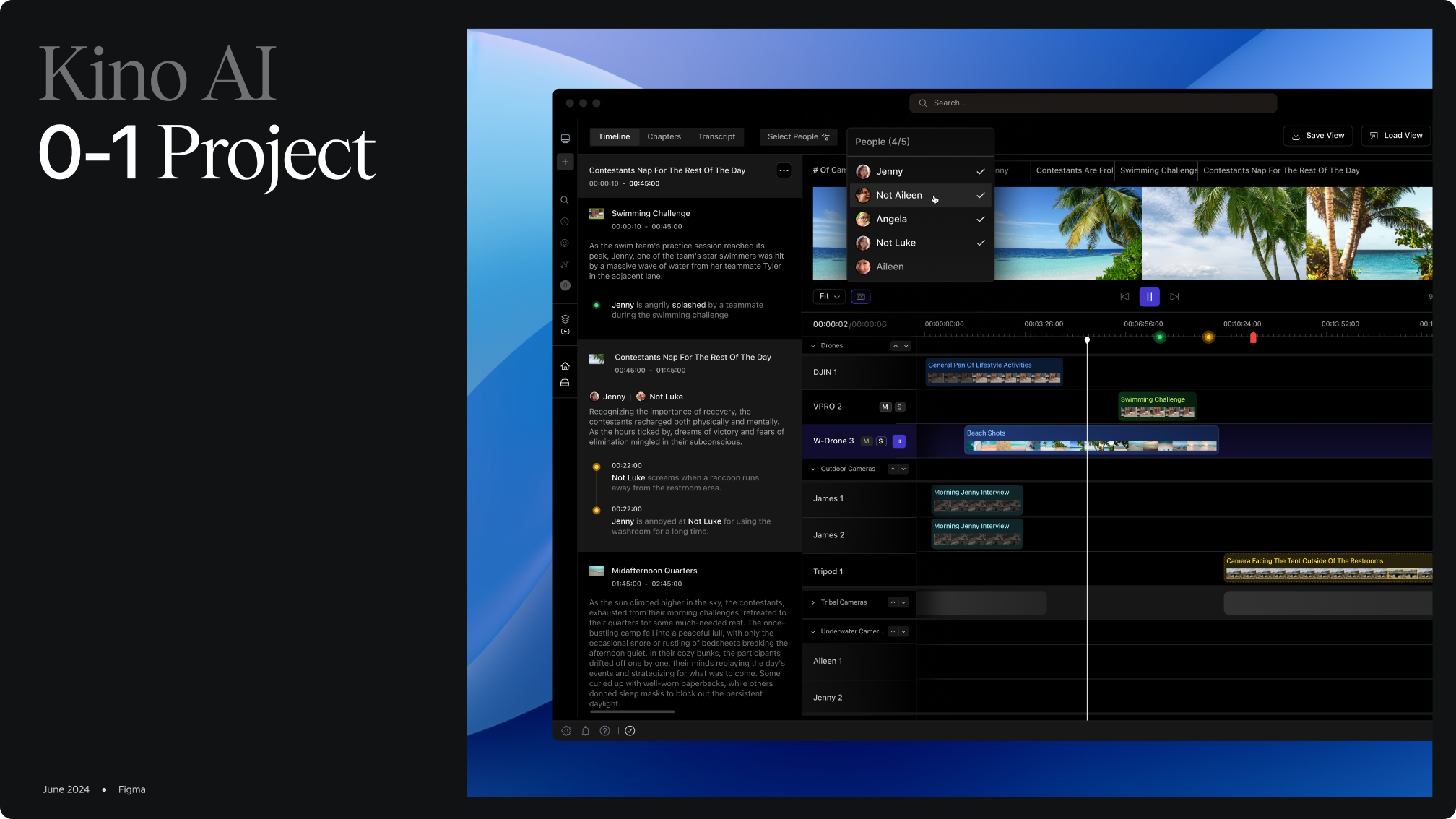
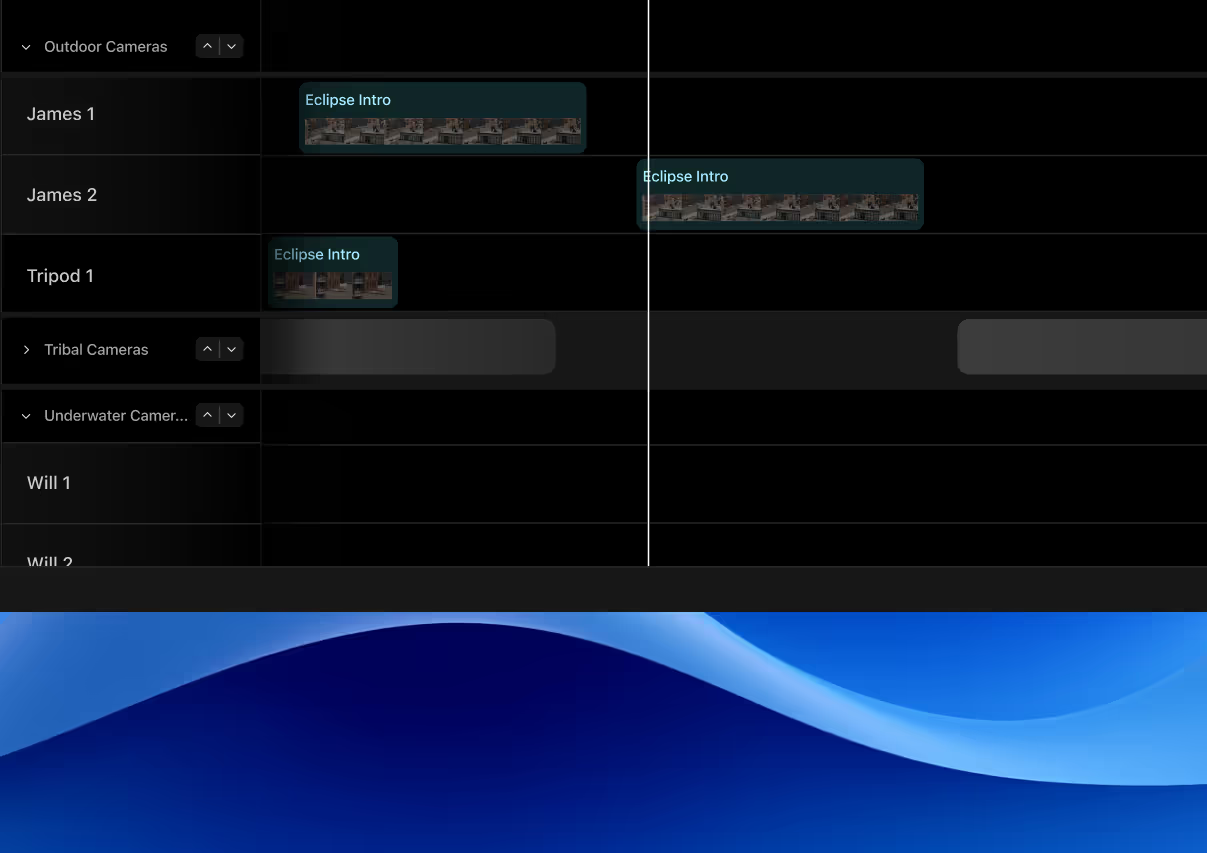
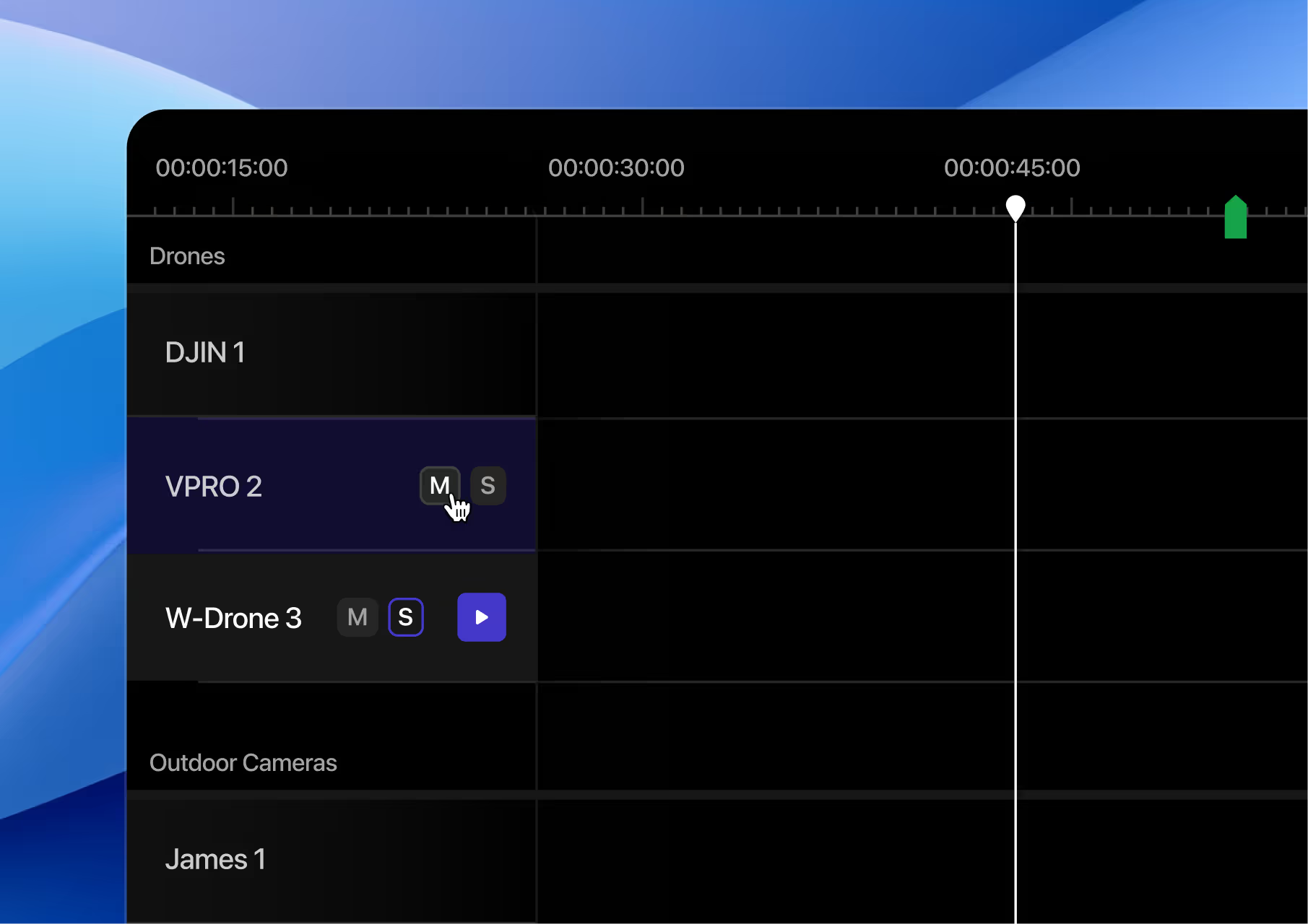
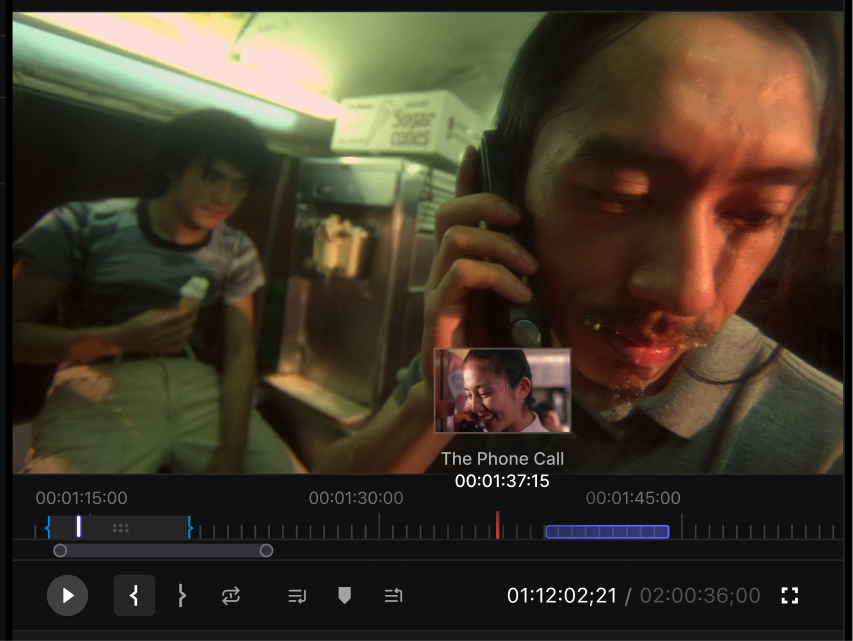
Unlocking the technical ability to organize all footage by timecode, we saw a new opportunity to recreate the classic timeline metaphor, in our video gallery.
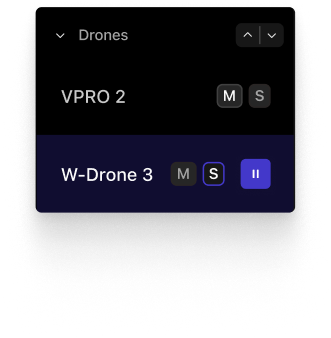
I leveraged familiar video-editing patterns like ribbons, timeline indicators, and tracks to reduce the learning curve and cognitive load for editors: some editors deal with 100+ cameras!
Rather than mapping cameras onto chapters (a common pattern), I fixed cameras as persistent, reorderable rows on the left — aligning them with a continuous film ribbon that stretched across time.
Designing for Kino was designing for villages of people: hundreds of cameras, months of footage, years of scripts.
While I initially joined Kino to improve UX problems in creative tooling, I quickly realized the deeper challenge lay elsewhere- in aligning complex software with the messy, and sometimes rigid human workflows of enterprise movie production.
Living inside of existing systems
Instead of overhauling workflows, we designed within existing systems: respecting what’s familiar helped us introduce change with less friction. Over the term, I gained a clearer understanding of sales cycles, friction in client onboarding, and the subtleties of getting buy-in during software approval processes.
Swim in a blue ocean, not a red one
Most tools fight to own the edit — we focus on the messy pre-edit phase instead. By improving this underbuilt space (tagging, tracking, and surfacing raw footage), we started swimming in a blue ocean— creating a new value layer above editing software itself and differentiating without clashing against incumbents like Premiere or Resolve.
Movies aren’t made overnight, & software isn’t either
At Kino, I learned to embrace design constraints with care. Designing for Kino meant thinking at scale, & pushing for clarity. I learned to scope tightly, define clear personas, and prioritize ruthlessly.
Kino is a media management platform that helps filmmakers search & understand their footage.
Backed by


This is just the beginning for Kino.
This is just the beginning for Kino. I’m grateful to Karina, Luke, Jenny, Angela, and Ashley for offering me the trust, mentorship, and noodles that made my work possible.
looking for my portfolio? see thekumquatery.com
created by aileen
year: 2026
License © 2025 -2026

Film is a way to tell stories that endure through the ages
Romantic comedies that prompt equal portions tears & lust; fantasy soundtracks that can influence a generation’s idea of comfort; horror flicks that worm their way into your psyche.
Yet the software that enables filmmakers to spin magic is clunky. Most video editing tools feel painful and unintuitive; creating a type of work that is creative, yet manual and tedious.
I joined Kino (YC ‘23) to re-imagine the experience of enterprise video-editing for filmmakers.
There, I led design efforts like branding, the redesign of Search, Tagging, & Timeline: a multi-camera, AI-powered interface that helps editors find meaning amidst terabytes of footage.
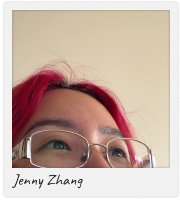
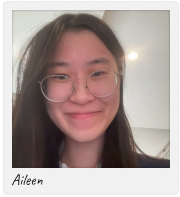
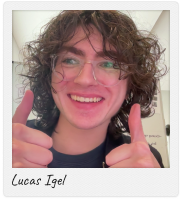
Made by...
From conception to color-grading, media management is crucial to an editor's experience. Many reality TV editors spend up to ~70% of their time just searching for clips, being expected to sift through 8-hours of footage in a day.
My challenge was to bridge the gap between filmmaker mental models and modern media libraries. In layman’s terms, I wanted to unify how editors organize stories in their minds, and how footage is organized in software.
Kino’s new design borrows familiar patterns from the apps editors use daily, creating an interface that feels modern, assistive, responsive, and collaborative.


Before Kino, editors had no easy way to visualize their files.
Editors were still relying on legacy tools like Post-its, chat logs, and Excel spreadsheets to keep track of important moments; often overwhelming and workflow specific to every film.
Enjoy these snippets of Kino, reborn.
Traditional file previews can’t keep up with editors.
Introducing, the new Kino
bonus points if you recognize the films hehe...
Jenny, Luke, & I reimagined the metadata inspector as a high-density panel
Tagging and search is meaningless when surfacing content out of narrative context.
Jenny, Luke, & I reimagined the metadata inspector as a high-density panel, packing in speaker tags, timestamps, locations, and script references to help users reorient instantly within sprawling footage: instead of returning isolated clips.
Tagging and search is meaningless when surfacing content out of narrative context.
Unlocking the technical ability to organize all footage by timecode, we saw a new opportunity to recreate the classic timeline metaphor, in our video gallery.
I leveraged familiar video-editing patterns like ribbons, timeline indicators, and tracks to reduce the learning curve and cognitive load for editors: some editors deal with 100+ cameras!
Rather than mapping cameras onto chapters (a common pattern), I fixed cameras as persistent, reorderable rows on the left — aligning them with a continuous film ribbon that stretched across time.
Designing for Kino was designing for villages of people: hundreds of cameras, months of footage, years of scripts.
While I initially joined Kino to improve UX problems in creative tooling, I quickly realized the deeper challenge lay elsewhere- in aligning complex software with the messy, and sometimes rigid human workflows of enterprise movie production.
Living inside of existing systems
Instead of overhauling workflows, we designed within existing systems: respecting what’s familiar helped us introduce change with less friction. Over the term, I gained a clearer understanding of sales cycles, friction in client onboarding, and the subtleties of getting buy-in during software approval processes.
Swim in a blue ocean, not a red one
Most tools fight to own the edit — we focus on the messy pre-edit phase instead. By improving this underbuilt space (tagging, tracking, and surfacing raw footage), we started swimming in a blue ocean— creating a new value layer above editing software itself and differentiating without clashing against incumbents like Premiere or Resolve.
Movies aren’t made overnight, & software isn’t either
At Kino, I learned to embrace design constraints with care. Designing for Kino meant thinking at scale, & pushing for clarity. I learned to scope tightly, define clear personas, and prioritize ruthlessly.
Kino is a media management platform that helps filmmakers search & understand their footage.
Backed by


This is just the beginning for Kino.
This is just the beginning for Kino. I’m grateful to Karina, Luke, Jenny, Angela, and Ashley for offering me the trust, mentorship, and noodles that made my work possible.
looking for my portfolio? see thekumquatery.com
created by aileen
year: 2026
License © 2025 -2026

looking for my portfolio? see thekumquatery.com
created by aileen
year: 2026
License © 2025 -2026
Film is a way to tell stories that endure through the ages
Romantic comedies that prompt equal portions tears & lust; fantasy soundtracks that can influence a generation’s idea of comfort; horror flicks that worm their way into your psyche.
Yet the software that enables filmmakers to spin magic is clunky. Most video editing tools feel painful and unintuitive; creating a type of work that is creative, yet manual and tedious.
I joined Kino (YC ‘23) to re-imagine the experience of enterprise video-editing for filmmakers.
There, I led design efforts like branding, the redesign of Search, Tagging, & Timeline: a multi-camera, AI-powered interface that helps editors find meaning amidst terabytes of footage.
Made by...
From conception to color-grading, media management is crucial to an editor's experience. Many reality TV editors spend up to ~70% of their time just searching for clips, being expected to sift through 8-hours of footage in a day.
My challenge was to bridge the gap between filmmaker mental models and modern media libraries. In layman’s terms, I wanted to unify how editors organize stories in their minds, and how footage is organized in software.
Kino’s new design borrows familiar patterns from the apps editors use daily, creating an interface that feels modern, assistive, responsive, and collaborative.

Before Kino, editors had no easy way to visualize their files.
Editors were still relying on legacy tools like Post-its, chat logs, and Excel spreadsheets to keep track of important moments; often overwhelming and workflow specific to every film.
Enjoy these snippets of Kino, reborn.
Traditional file previews can’t keep up with editors.
Introducing, the new Kino
bonus points if you recognize the films hehe...
Jenny, Luke, & I reimagined the metadata inspector as a high-density panel
We packed in speaker tags, timestamps, locations, and script references to help users reorient instantly within sprawling footage: instead of returning isolated clips.
Tagging and search is meaningless when surfacing content out of narrative context.
Unlocking the technical ability to organize all footage by timecode, we saw a new opportunity to recreate the classic timeline metaphor, in our video gallery.
I leveraged familiar video-editing patterns like ribbons, timeline indicators, and tracks to reduce the learning curve and cognitive load for editors: some editors deal with 100+ cameras!
Rather than mapping cameras onto chapters (a common pattern), I fixed cameras as persistent, reorderable rows on the left — aligning them with a continuous film ribbon that stretched across time.
Designing for Kino was designing for villages of people: hundreds of cameras, months of footage, years of scripts.
While I initially joined Kino to improve UX problems in creative tooling, I quickly realized the deeper challenge lay elsewhere- in aligning complex software with the messy, and sometimes rigid human workflows of enterprise movie production.
Living inside of existing systems
Instead of overhauling workflows, we designed within existing systems: respecting what’s familiar helped us introduce change with less friction. Over the term, I gained a clearer understanding of sales cycles, friction in client onboarding, and the subtleties of getting buy-in during software approval processes.
Swim in a blue ocean, not a red one
Most tools fight to own the edit — we focus on the messy pre-edit phase instead. By improving this underbuilt space (tagging, tracking, and surfacing raw footage), we started swimming in a blue ocean— creating a new value layer above editing software itself and differentiating without clashing against incumbents like Premiere or Resolve.
Movies aren’t made overnight, & software isn’t either
At Kino, I learned to embrace design constraints with care. Designing for Kino meant thinking at scale, & pushing for clarity. I learned to scope tightly, define clear personas, and prioritize ruthlessly.
Kino is a media management platform that helps filmmakers search & understand their footage.
Backed by


This is just the beginning for Kino.
I’m grateful to Karina, Luke, Jenny, Angela, and Ashley for offering me the trust, mentorship, and noodles that made my work possible.